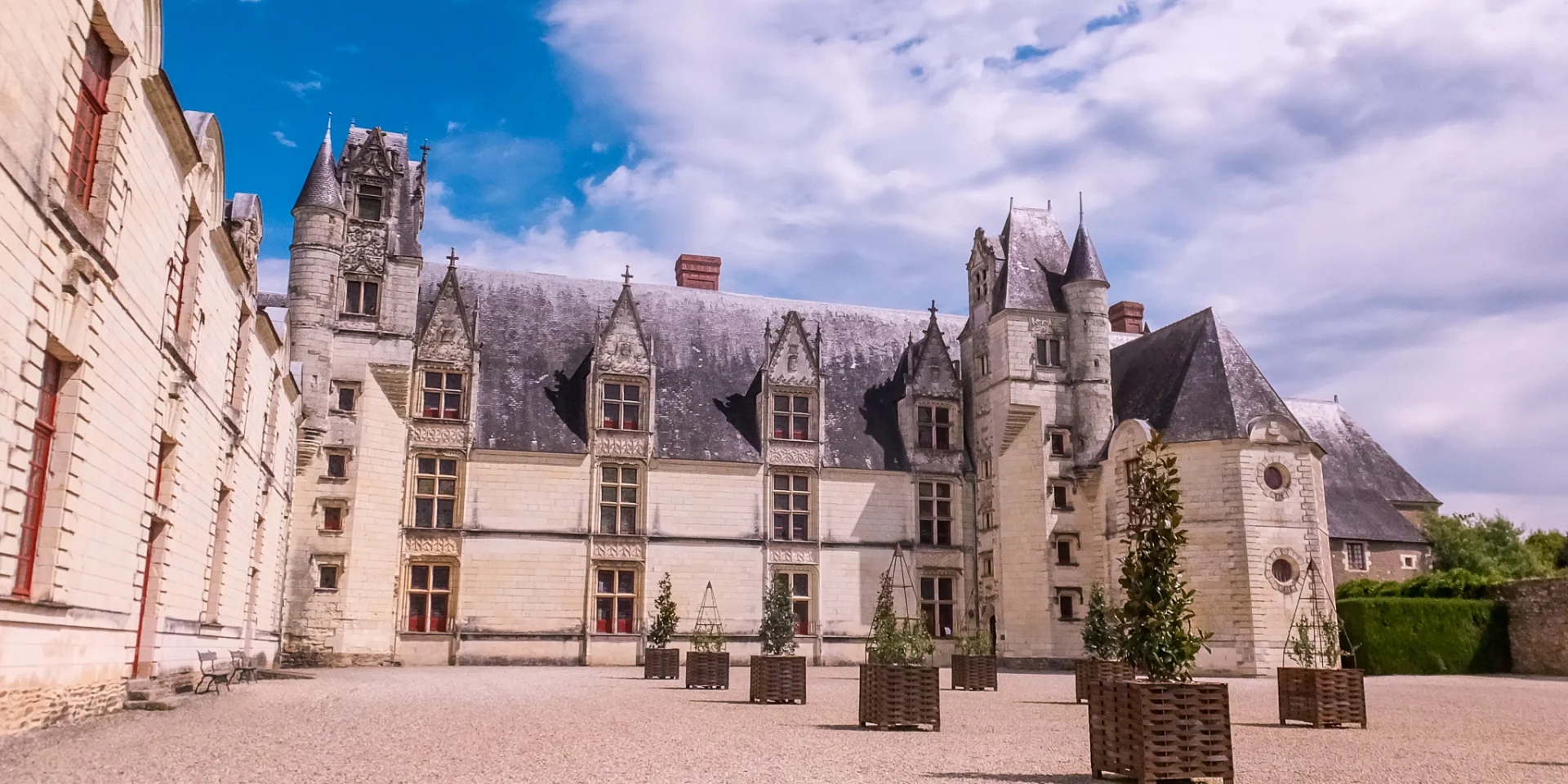
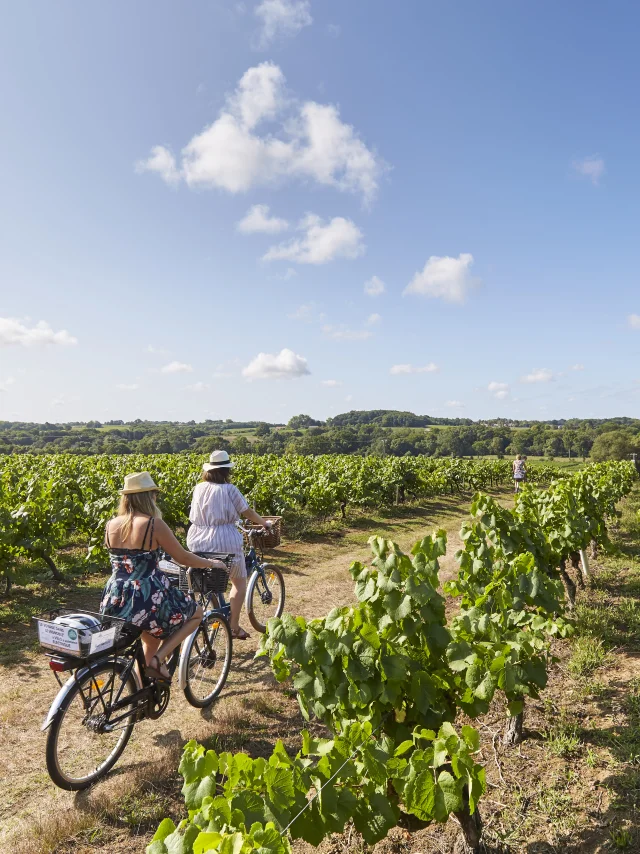
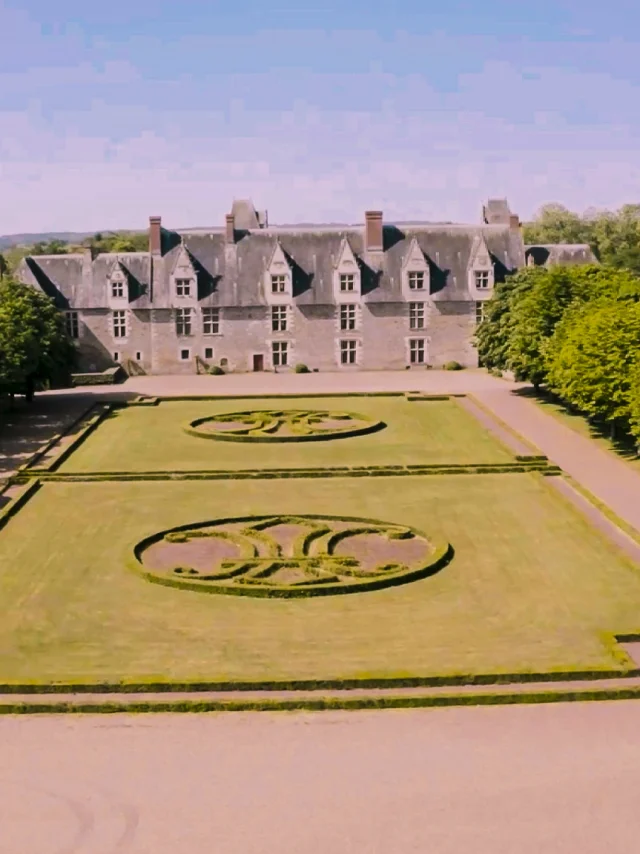
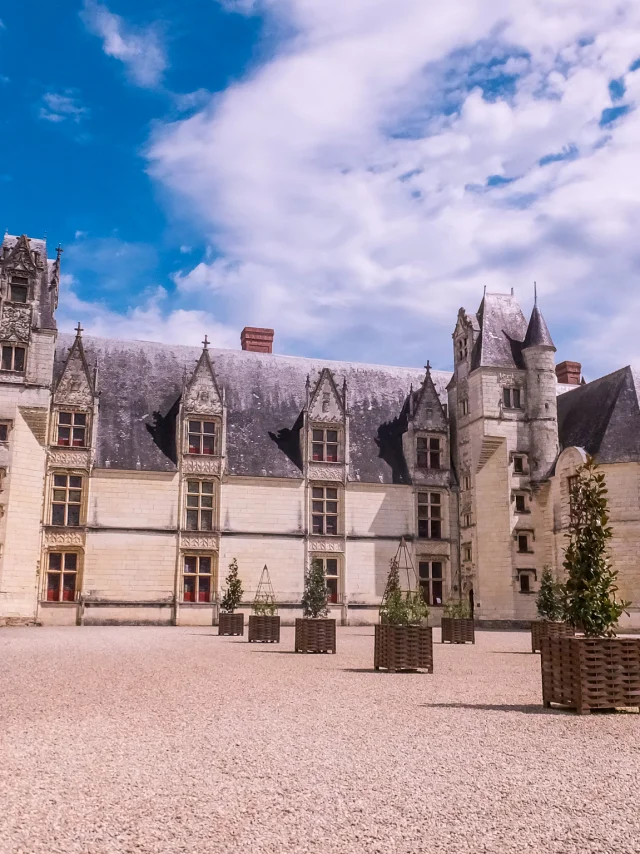
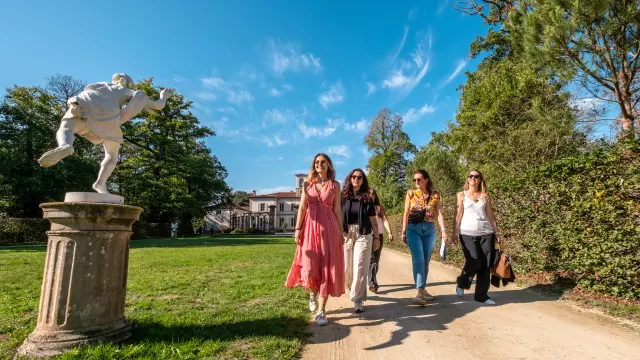
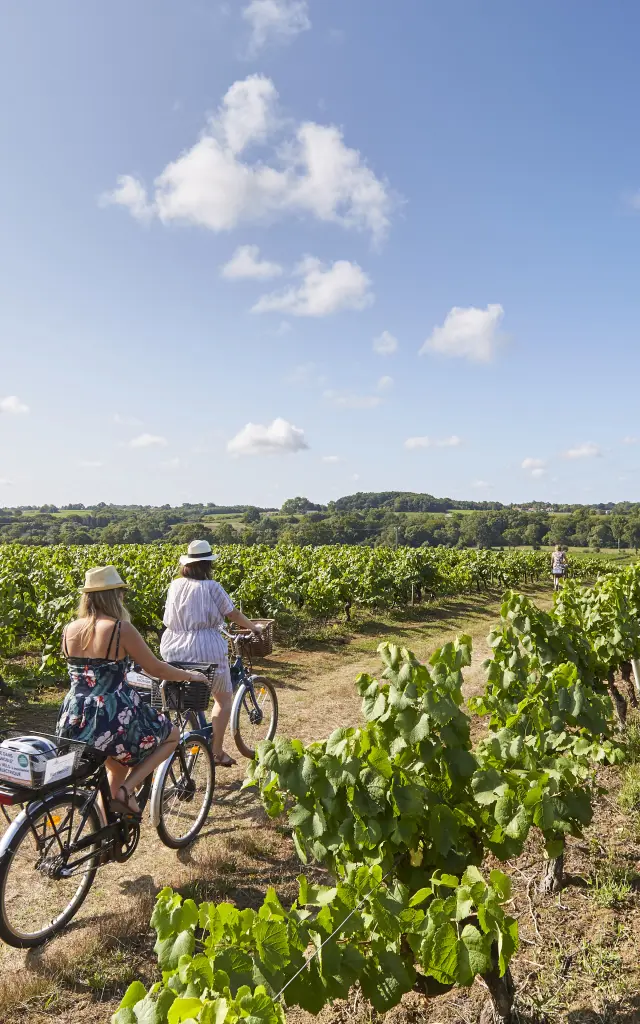
It’s time to discover the jewel in the crown of the Nantes vineyards: the town of Clisson. Formerly a medieval town on the outskirts of the Duchy of Brittany, and destroyed during the Vendée wars, Clisson was rebuilt in an Italian neo-classical style inspired by paintings from the Tivoli region.
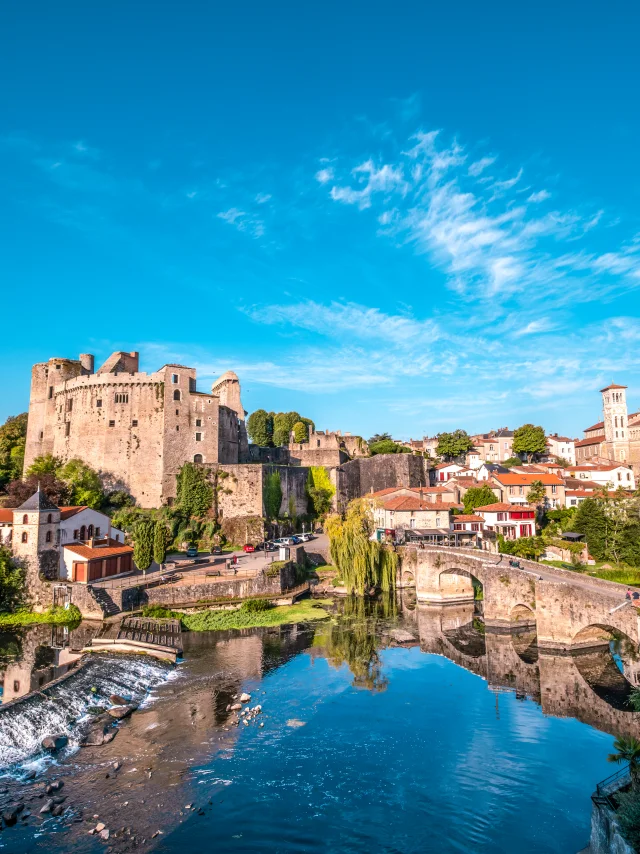
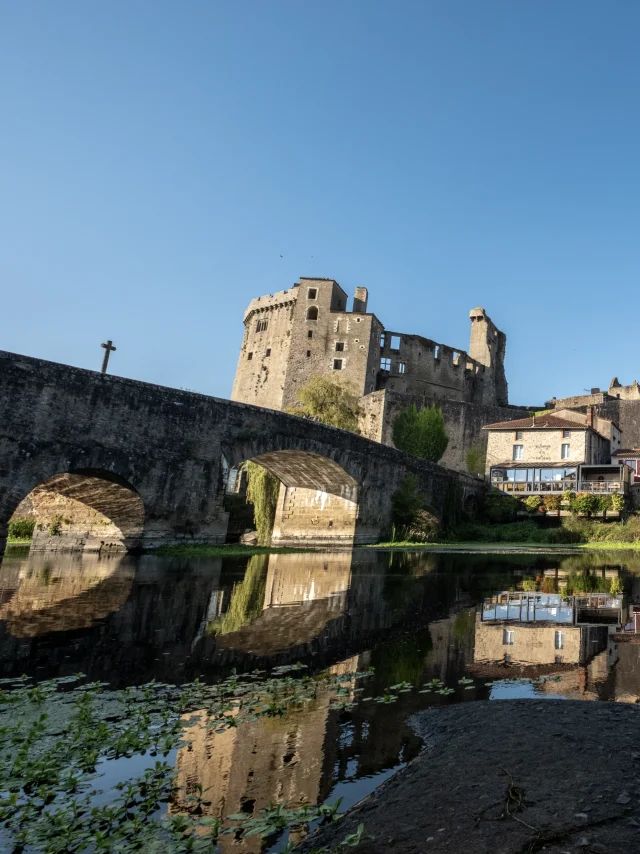
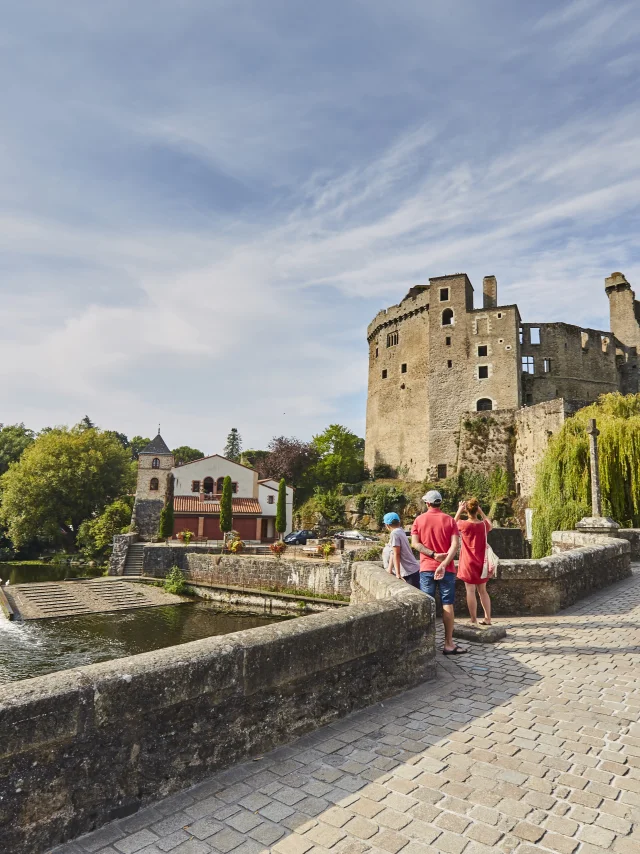
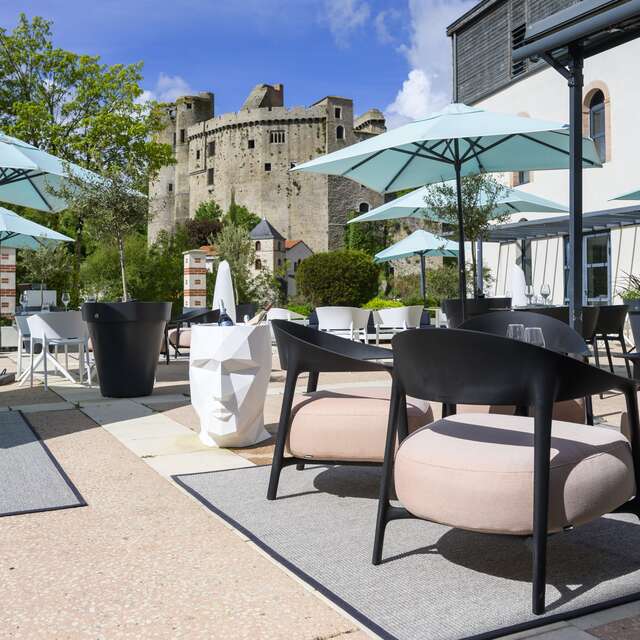
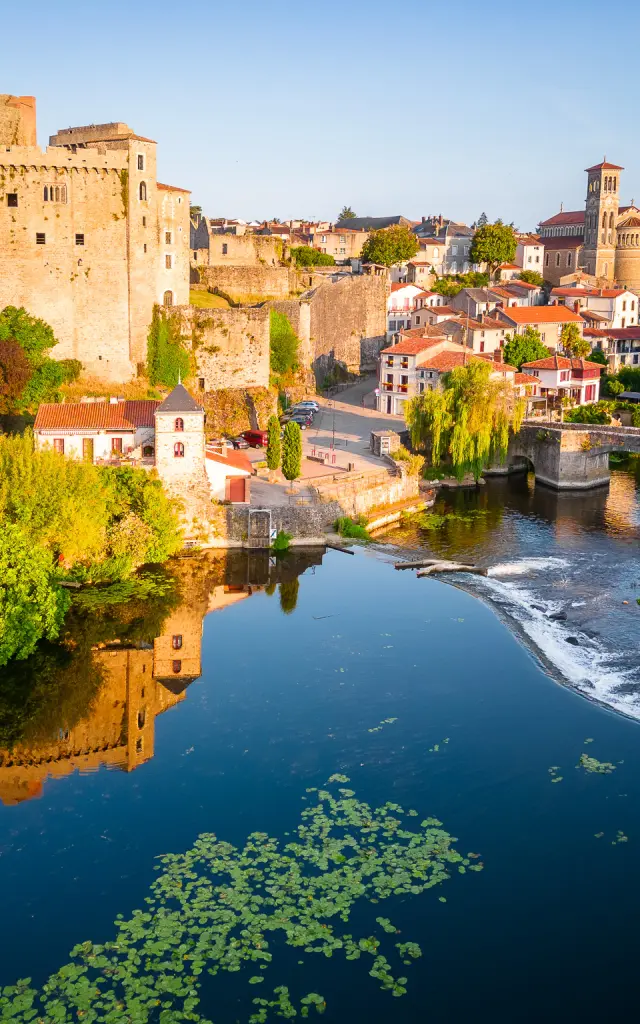
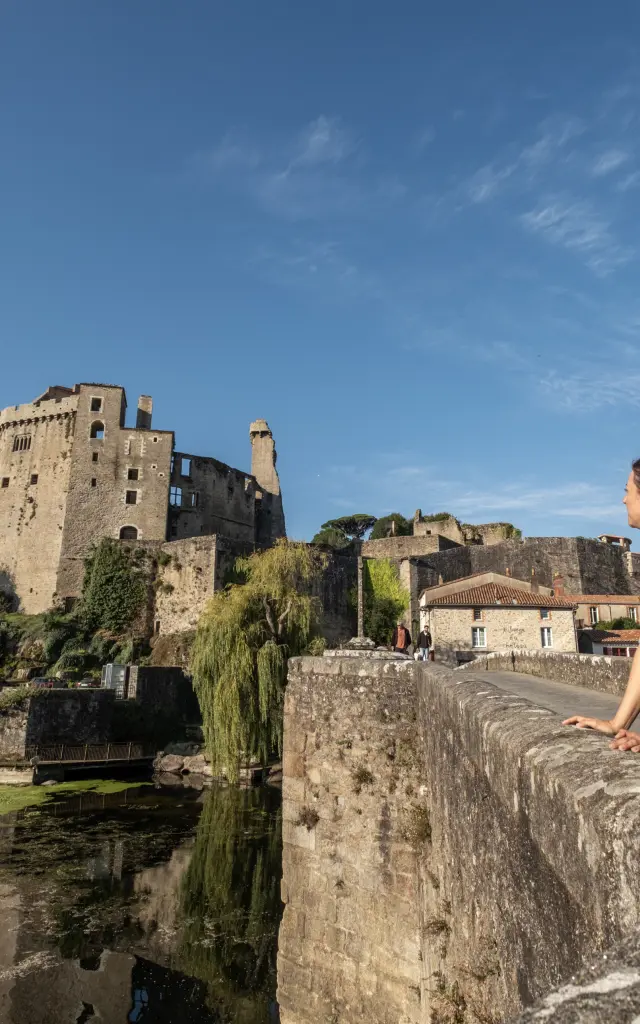
Start by exploring the imposing silhouette of the medieval castle, a testament to the town’s origins. Built from the XIᵉ to the XVIIᵉ century, it was the home ofOlivier V de Clisson and then Duke François II of Brittany, father of Anne of Brittany. Ravaged during the Vendée wars, the castle today reveals its ruins steeped in history.
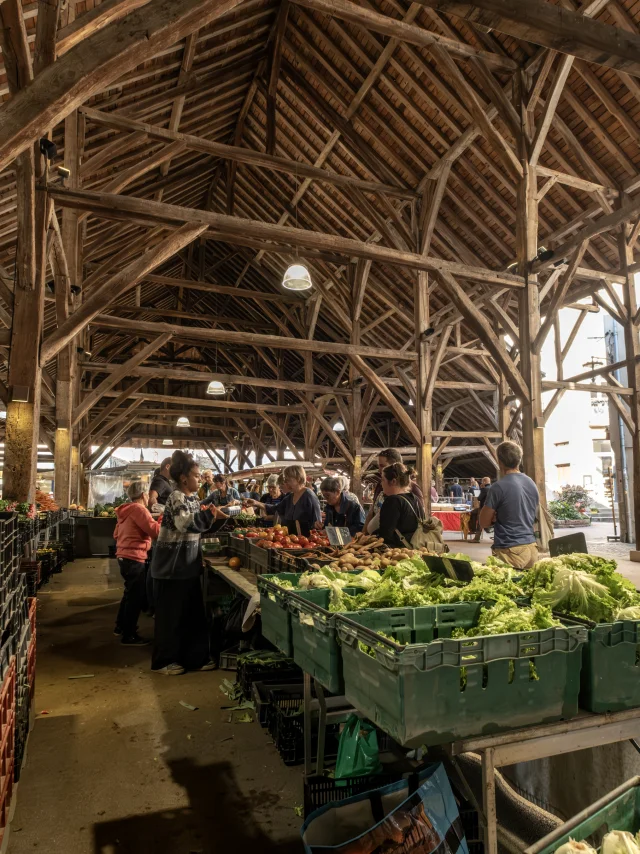
Continue your stroll under the 14thᵉ century wooden Halles, among the oldest in France. They plunge you into the medieval atmosphere of Clisson, between the smells of the market and the rustle of footsteps on the cobbles.
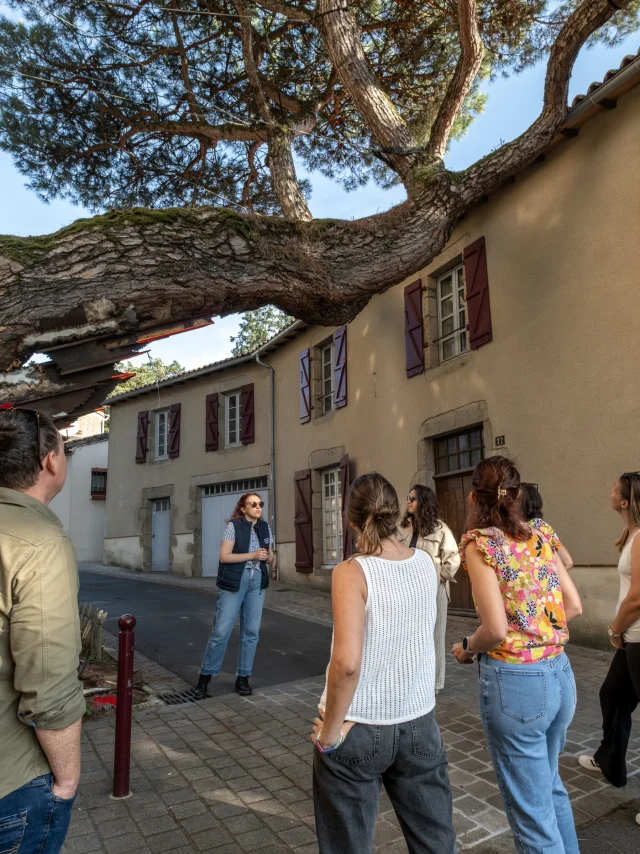
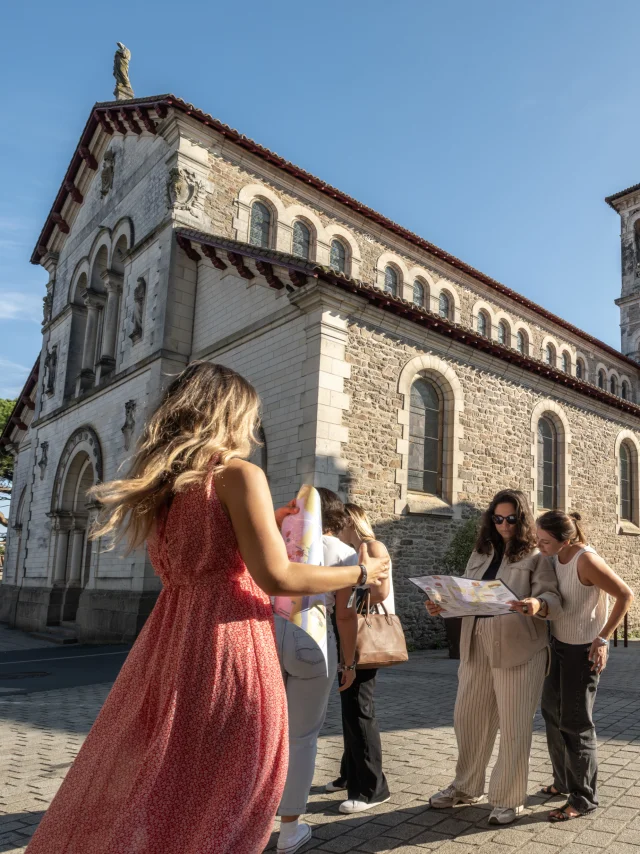
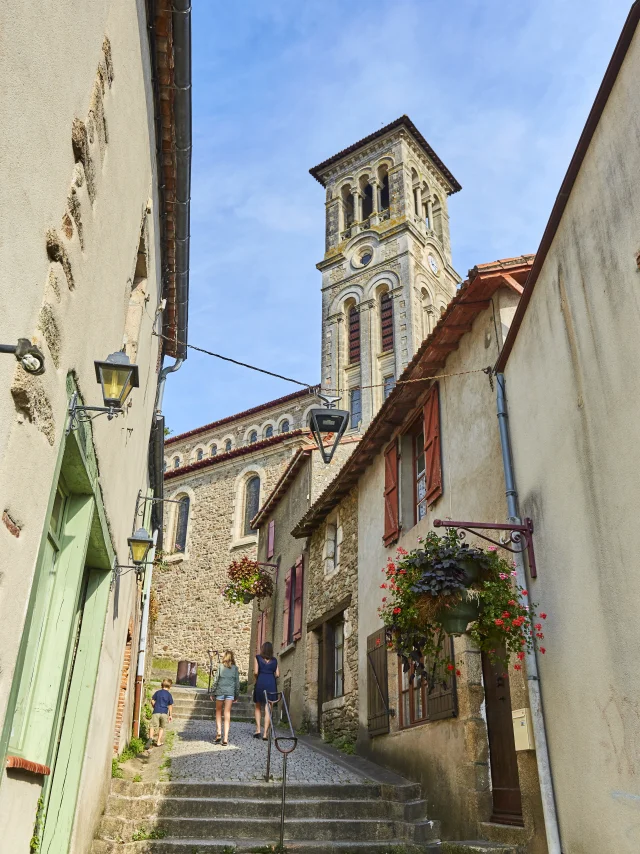
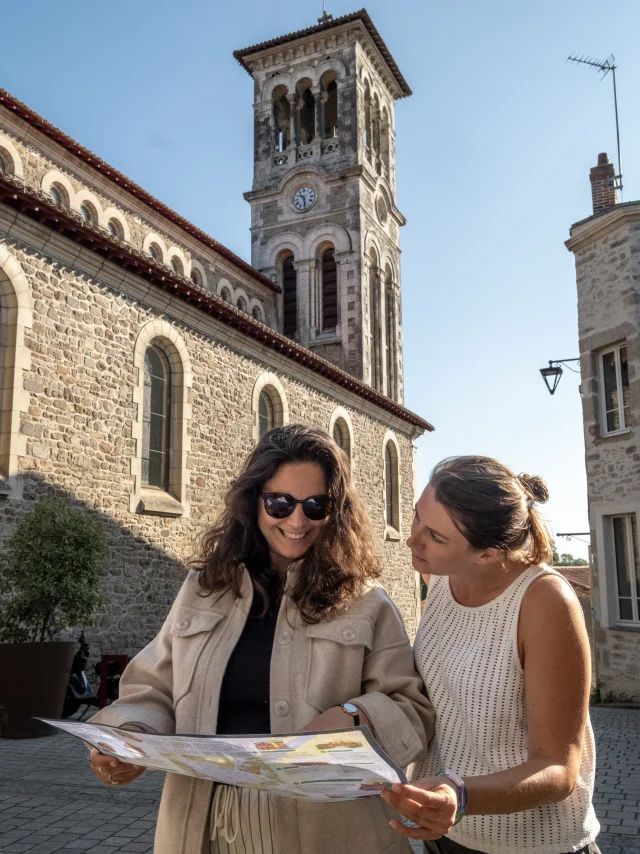
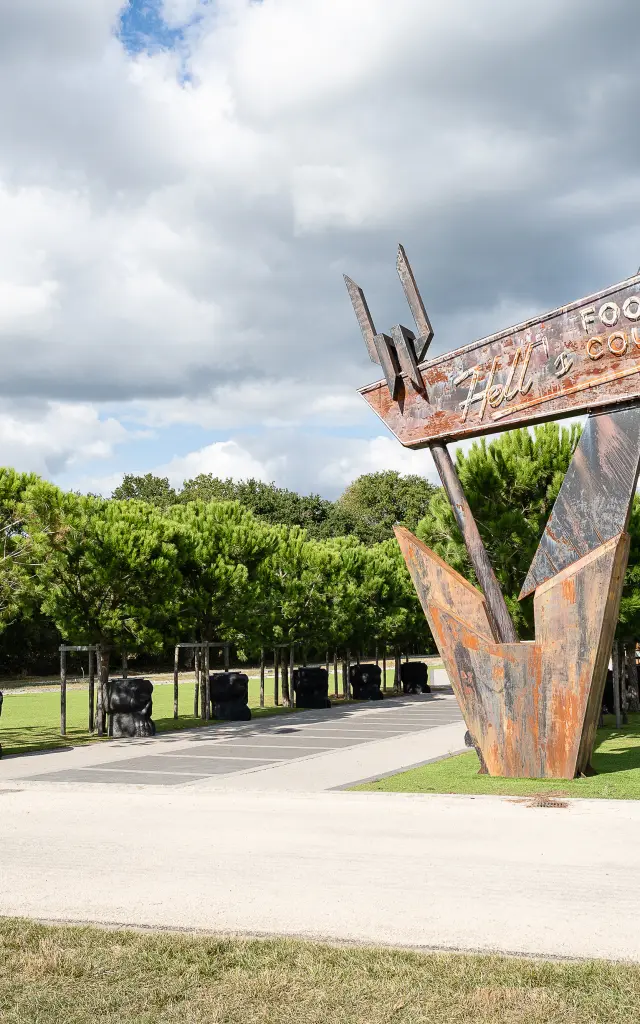
A little higher up,Notre-Dame church, a faithful replica of a Roman building from the XIXᵉ century, dominates the town. Then take the rue de la Collégiale, where a majestic umbrella pine seems suspended in the void, supported by a work by sculptor Jean-François Buisson funded by Hellfest. Here, theItalian spirit shines through: orange-tiled villas, fine bricks, windows with full arches and umbrella pines… Nothing by chance, but the fruit of an artistic vision carried forward by the Cacault brothers and François-Frédéric Lemot, who reinvented Clisson at the dawn of the XIXᵉ century.
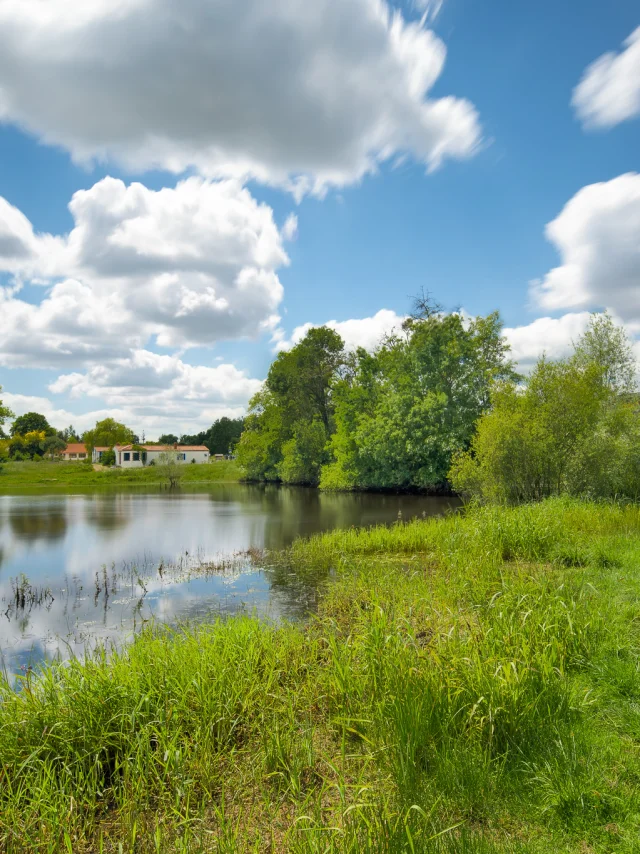
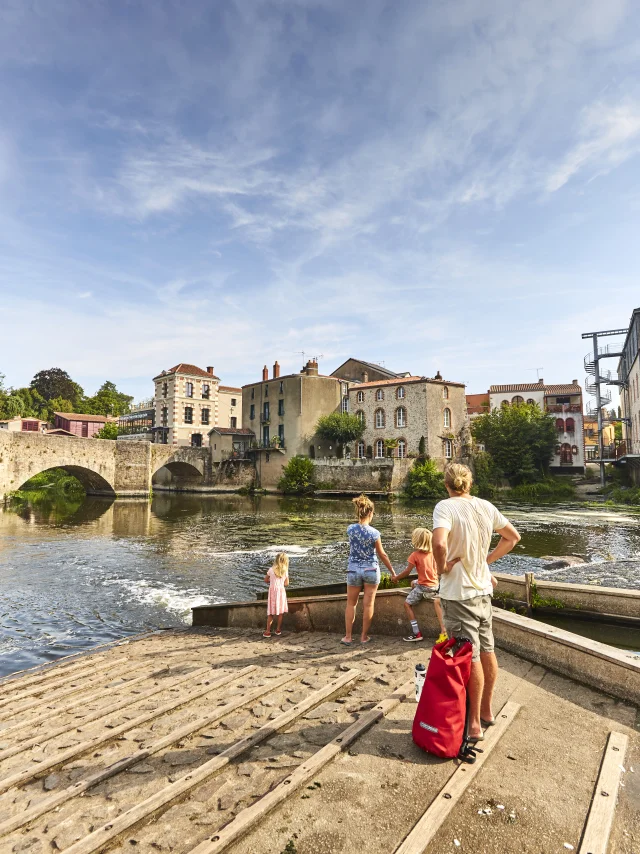
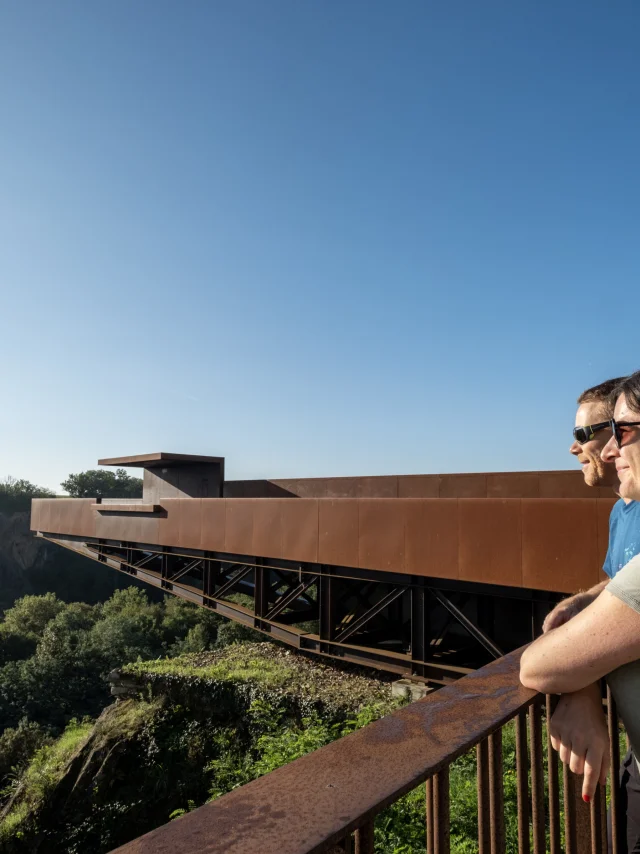
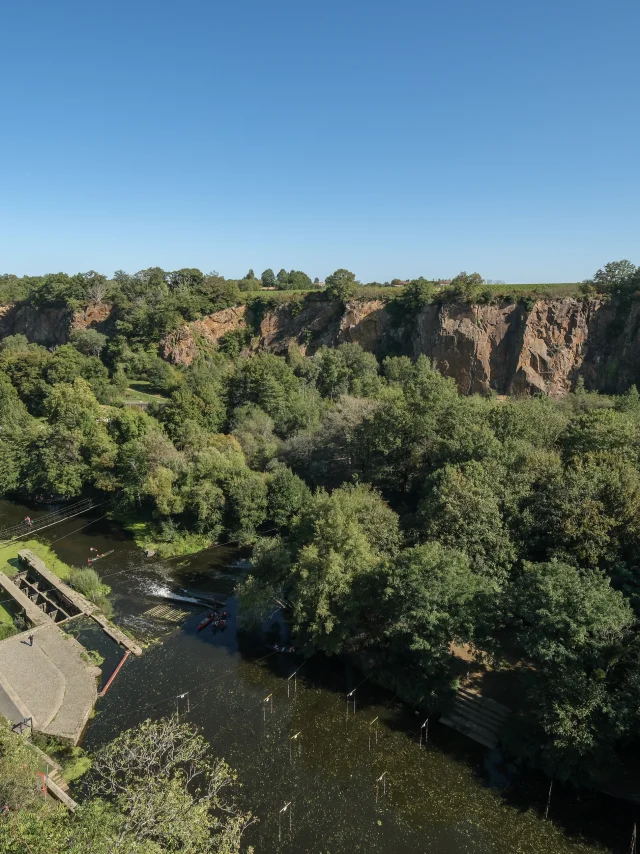
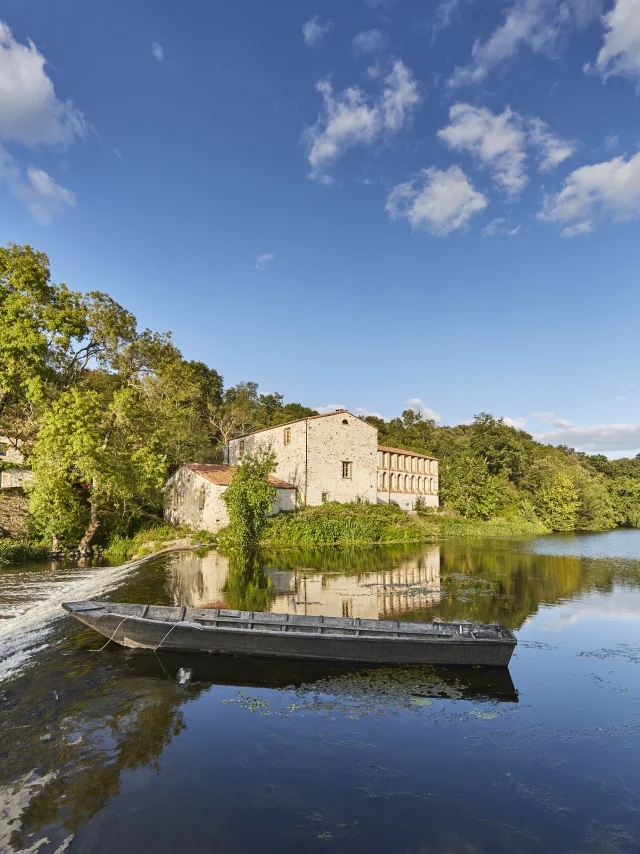
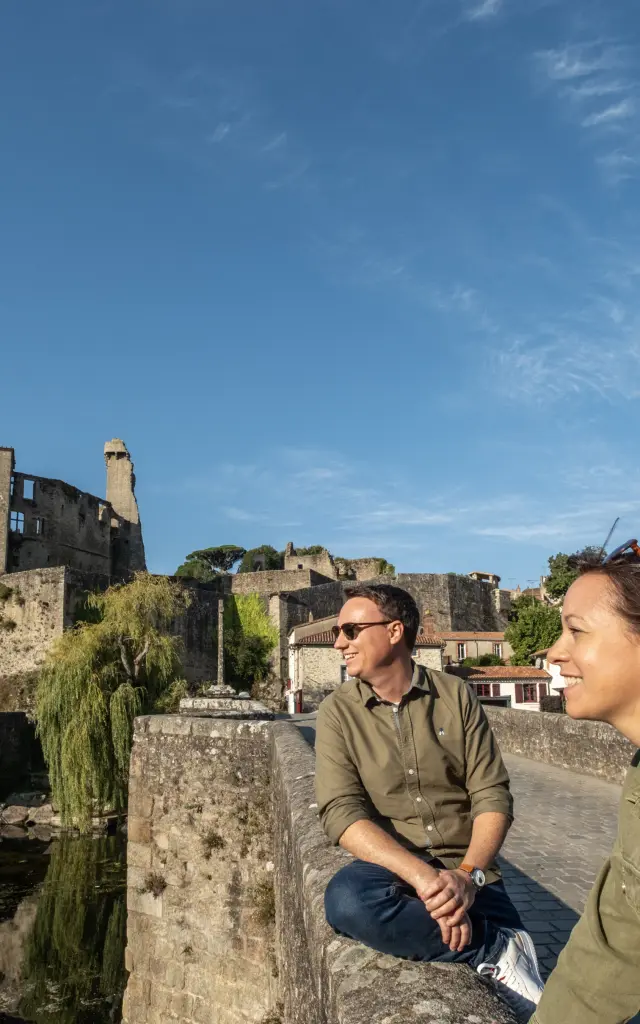
Finally, cross the Pont de la Vallée, a 360° viewpoint over the town. On one side, the castle and the ochre roofs of the old town; on the other, the Sèvre, its shifting reflections, and the traces of an industrial past that are still legible: old tanneries, mills and stone causeways line the banks.