The Muscadet is made from a single grape variety: Melon de Bourgogne, also known as “melon B”. Introduced to the region after the frost of 1709, it found its ideal terroir in the Nantes region. It produces dry, crisp, livelywines that are perfect with seafood.
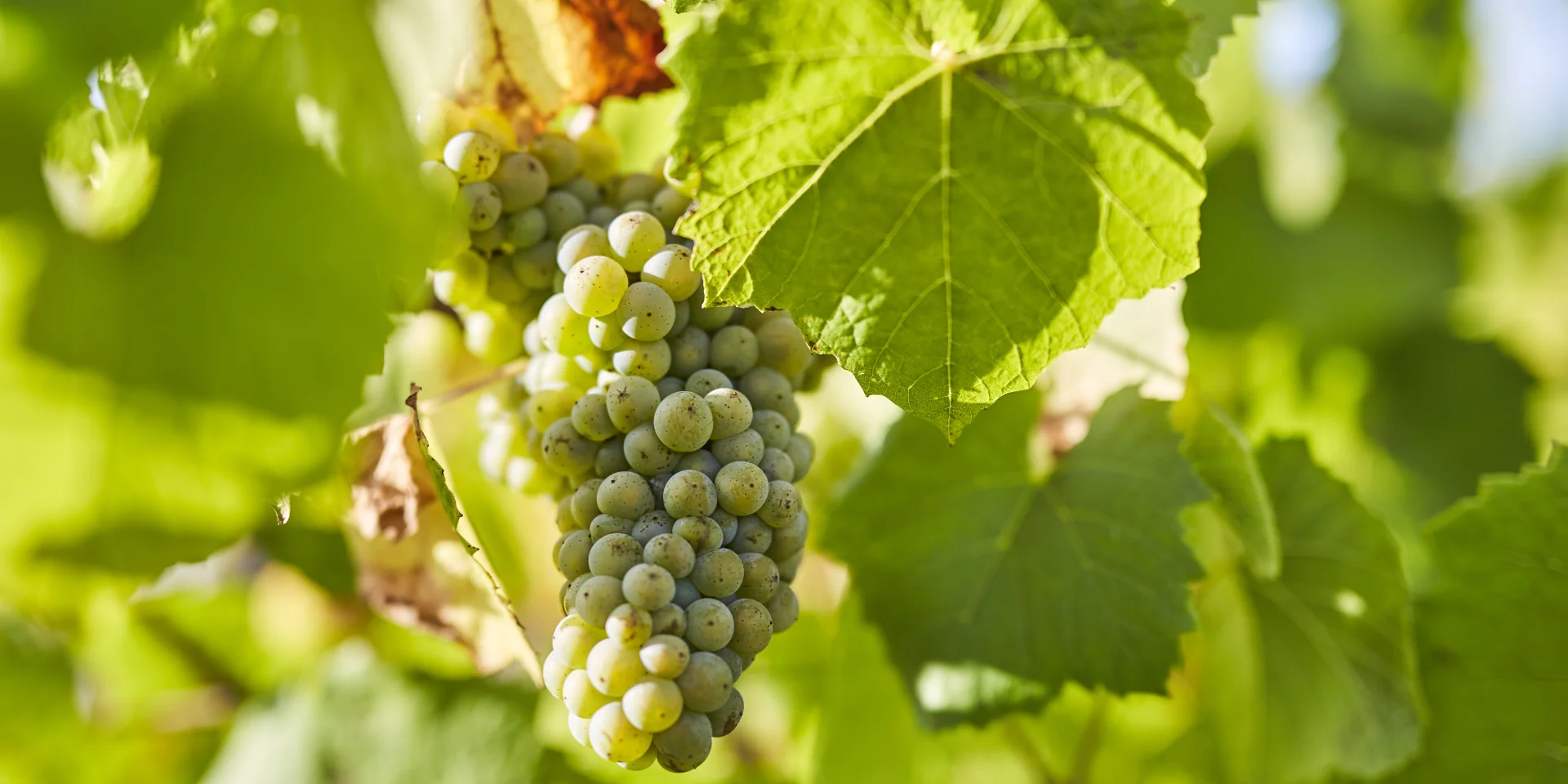
Muscadet : Melon B grape variety in his vineyard
|
Behind the Muscadet
The grape varietyMelon de BourgogneIdentity of the Muscadet
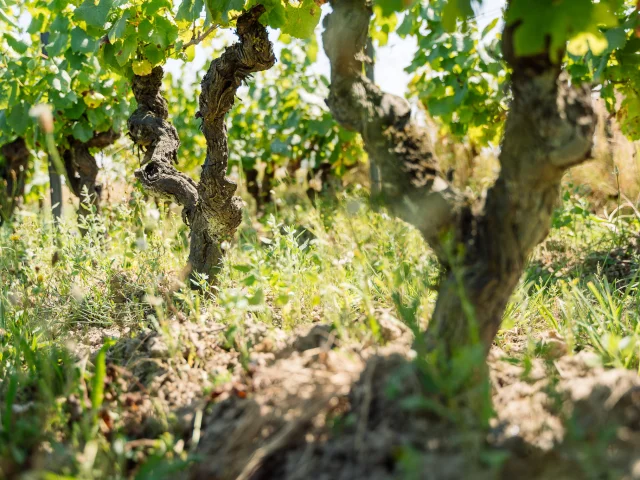
Muscadet : Melon B grape variety in his vineyard
|
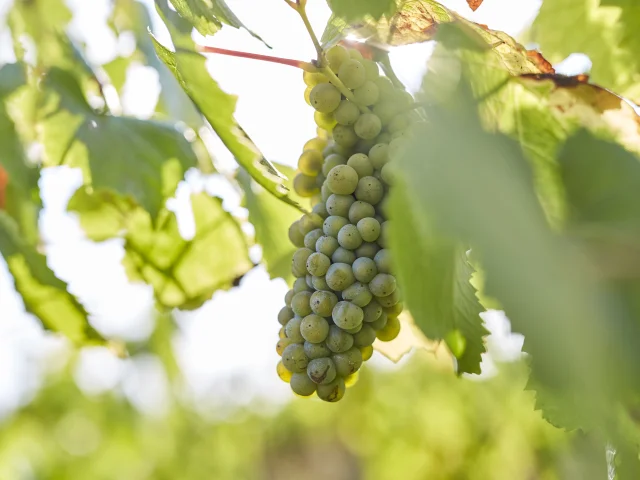
Muscadet : Melon B grape variety in his vineyard
|
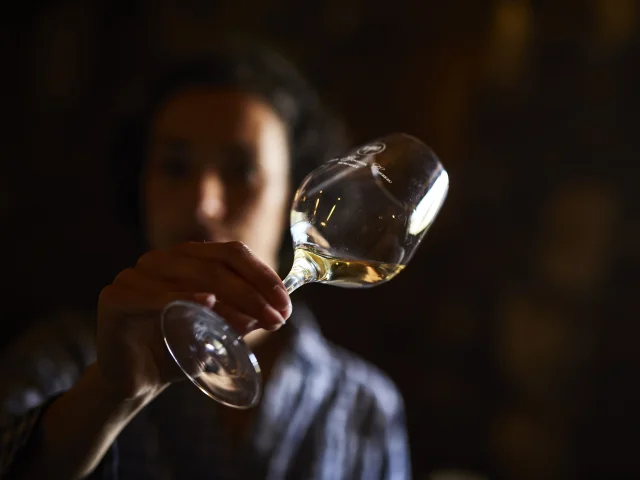
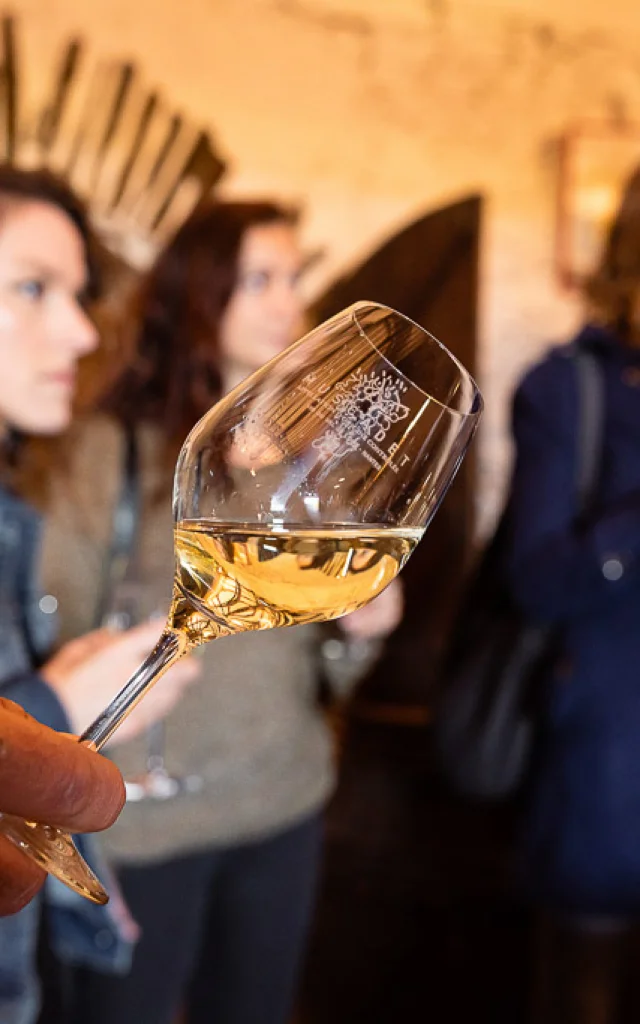
photo of wine tasting in a cellar in the val de loire, muscadet du pays nantais, chateau du Coing. glass of muscadet
|
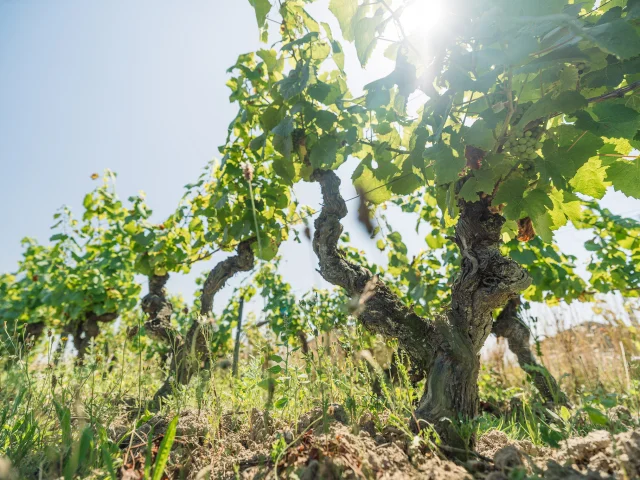
Muscadet : Melon B grape variety in his vineyard
|
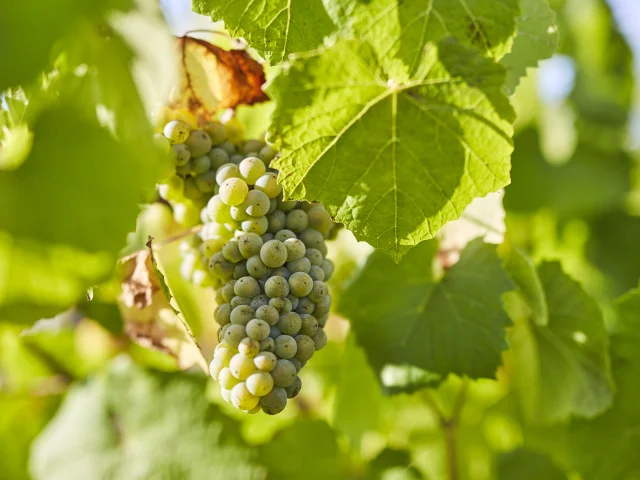
Muscadet : Melon B grape variety in his vineyard
|
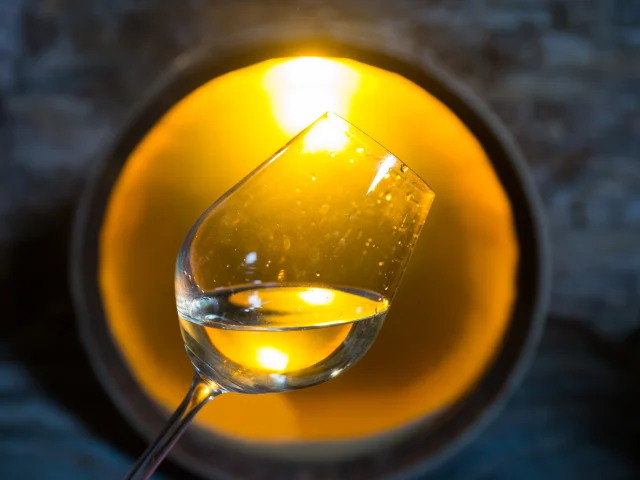
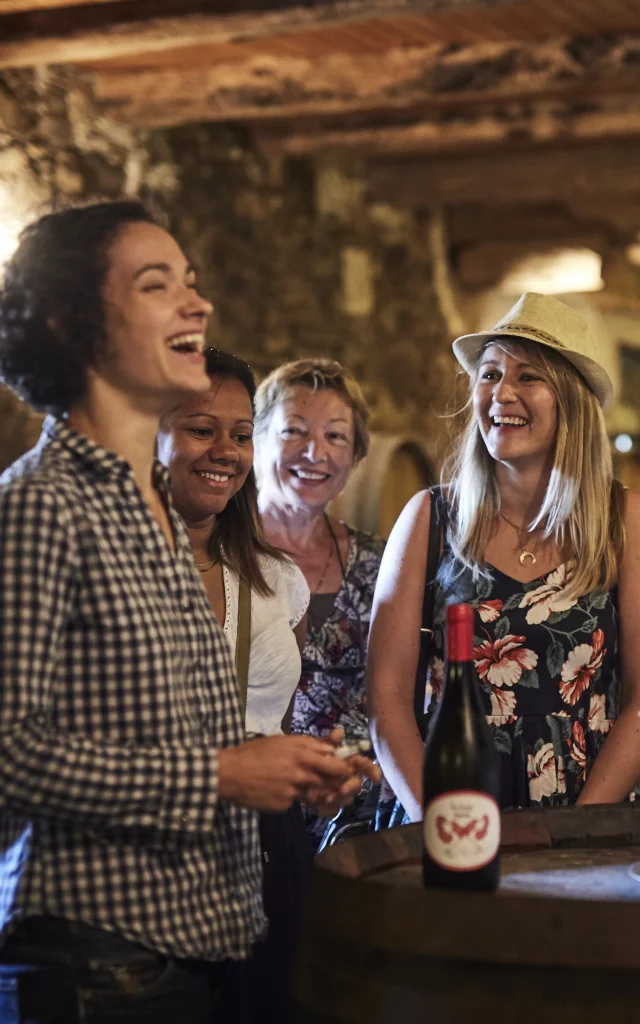
photo of a cellar visit to a muscadet producer in the Nantes vineyards. visit and discovery of muscadet, tasting of muscadet from the Nantes vineyards.
|
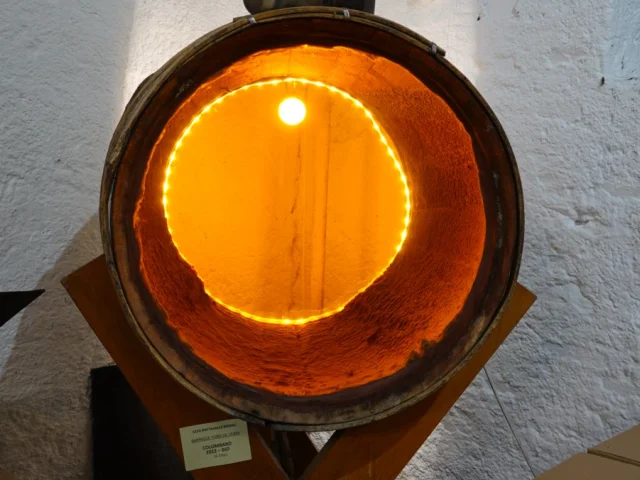
Muscadet sur lie from Domaine Bid'Gi
Contrary to what its name sometimes suggests, Muscadet sur lie is not a grape variety, but a vinification term. It indicates that the wine has been matured on its fine lees, i.e. the dead yeasts left over from fermentation. This method, typical of Vignoble Nantais, gives the wine its freshness, roundness and sometimes a subtle natural sparkle.
The wine is aged on its lees throughout the winter and bottled without racking. It’s a local signature, now well identified.
An appellationSeveral terroirs
The Muscadet is available in a number of Appellations d’Origine Contrôlée:
Each reveals its own personality, influenced by the soil (gabbro, granite, mica schist…) and the microclimate. In recent years, this diversity has been enriched by the addition of local crus, with their exacting specifications.
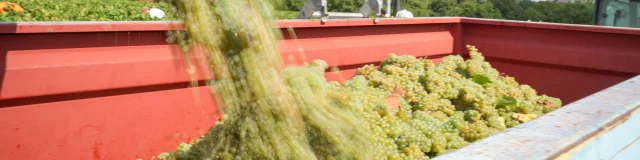
Harvesting with the Lieubeau family
|
From The
Although the term“sur lie” (on the lees) made Muscadet famous from the 1970s onwards, it is no longer the only approach to quality. Some winemakers are opting for longer maturation periods, sometimes 18, 24 months or more. To better reflect this richness, a new expression is emerging: the “Nantaise” method. This method highlights the know-how of the region without imposing a fixed length of ageing.
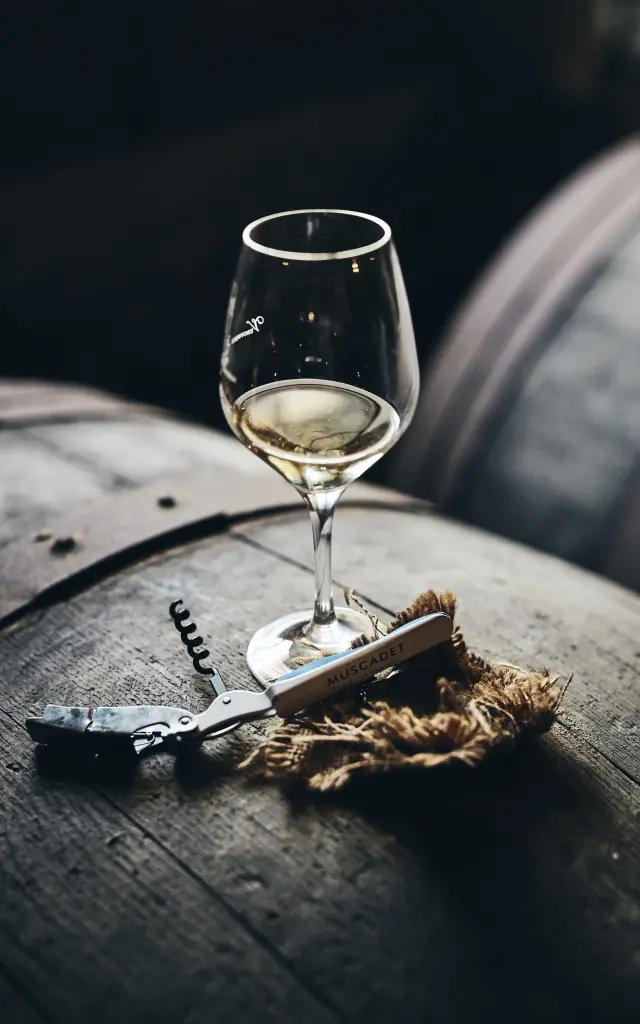
photo of wine tasting in a cellar in the val de loire, muscadet du pays nantais, chateau du Coing. glass of muscadet
|
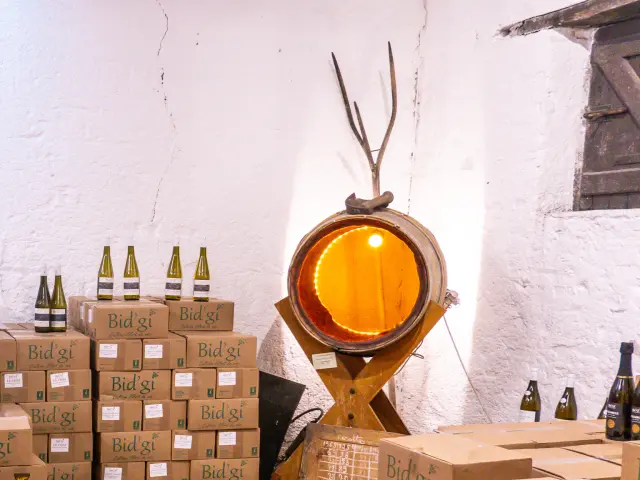
Muscadet sur lie from Domaine Bid'Gi
photo of wine tasting in a cellar in the val de loire, muscadet du pays nantais, chateau du Coing. glass of muscadet
|
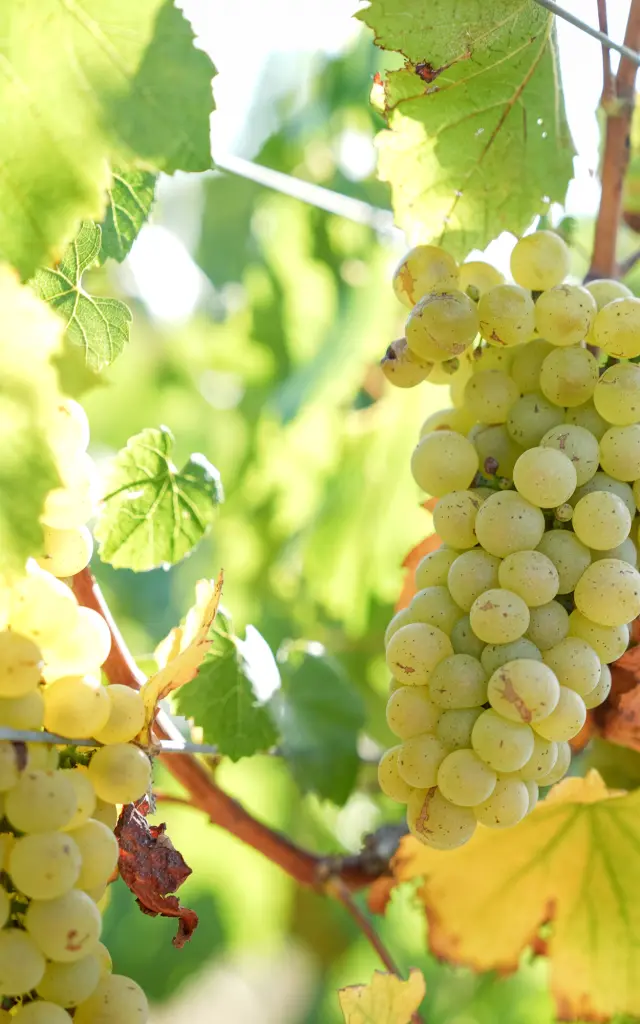
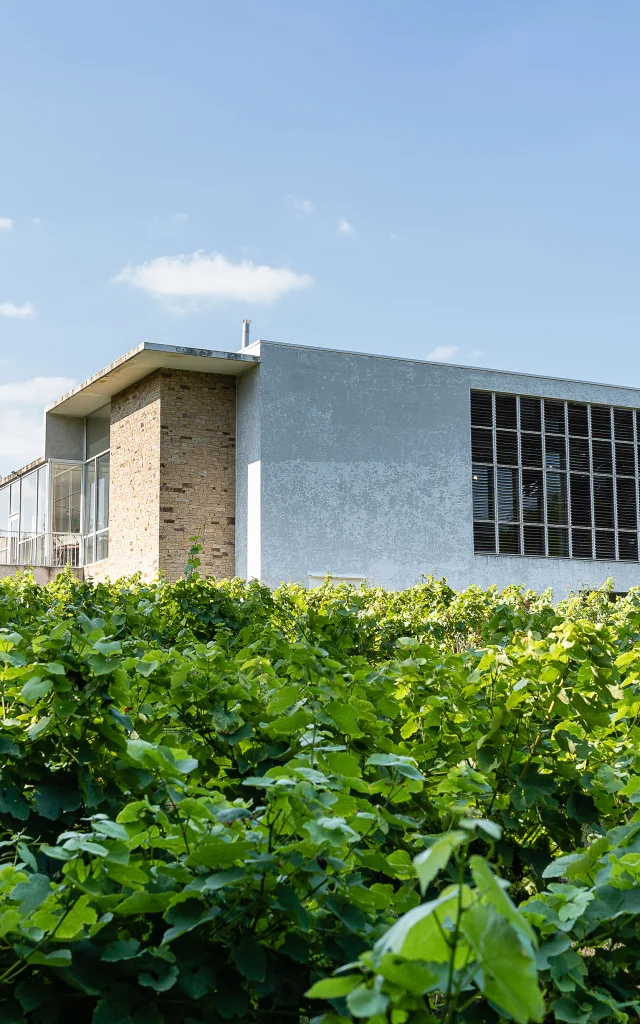
Vineyards Domaine Ménard-Gaborit
|
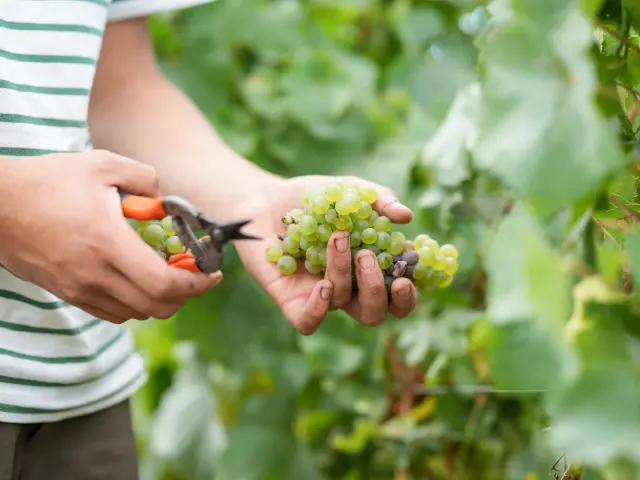
Harvesting at Domaine Ménard-Gaborit
|
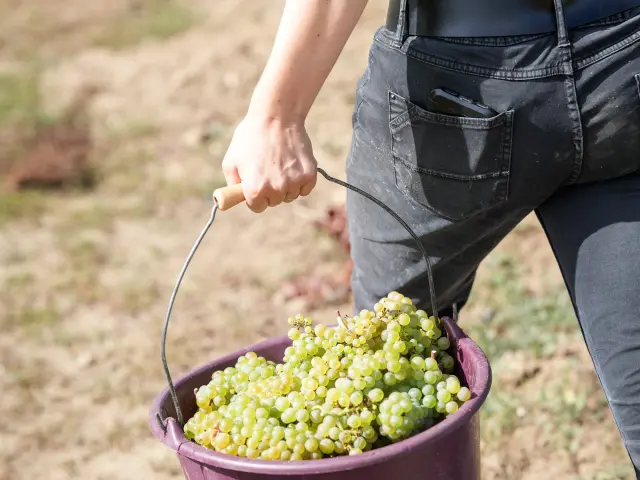
Harvesting with the Lieubeau family
|
And what aboutGros Plantin all this?
A neighbour of Muscadet, Gros Plant du Pays Nantais is made from another grape variety: Folle Blanche. More rustic and more acidic, it produces very lively wines, often also produced on lees. Served well-chilled, it goes perfectly with oysters and seafood.
A history ofTerroir à vivreWineries, estates and activities
The Muscadet is a wine, a landscape, a way of life. To help you understand its subtleties, many of the wine cellars in the Vignoble Nantais region offer guided tastings, vineyard walks and discovery workshops. A great way to combine knowledge and flavour during your stay.