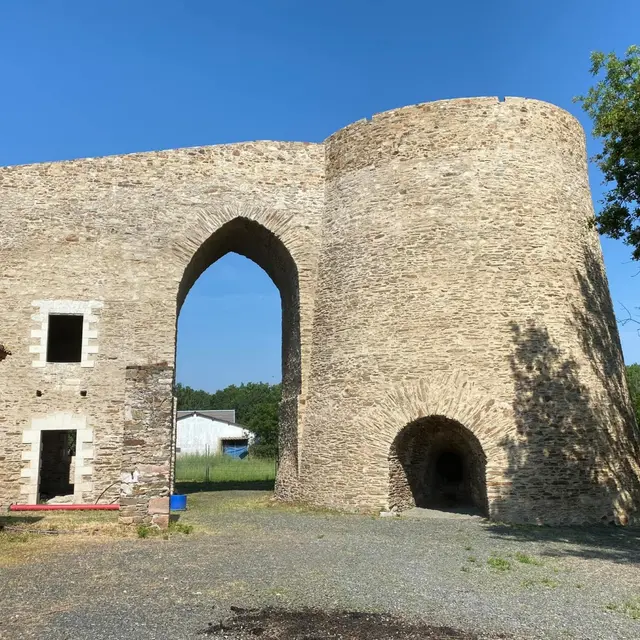
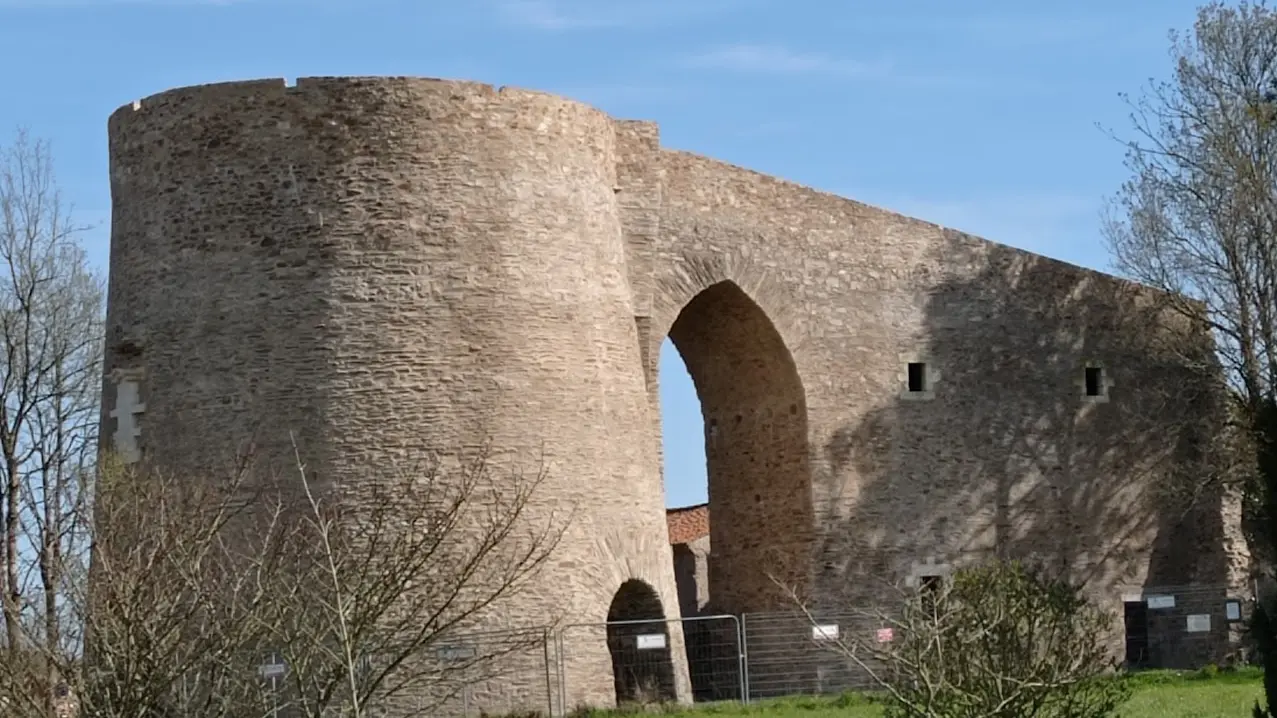
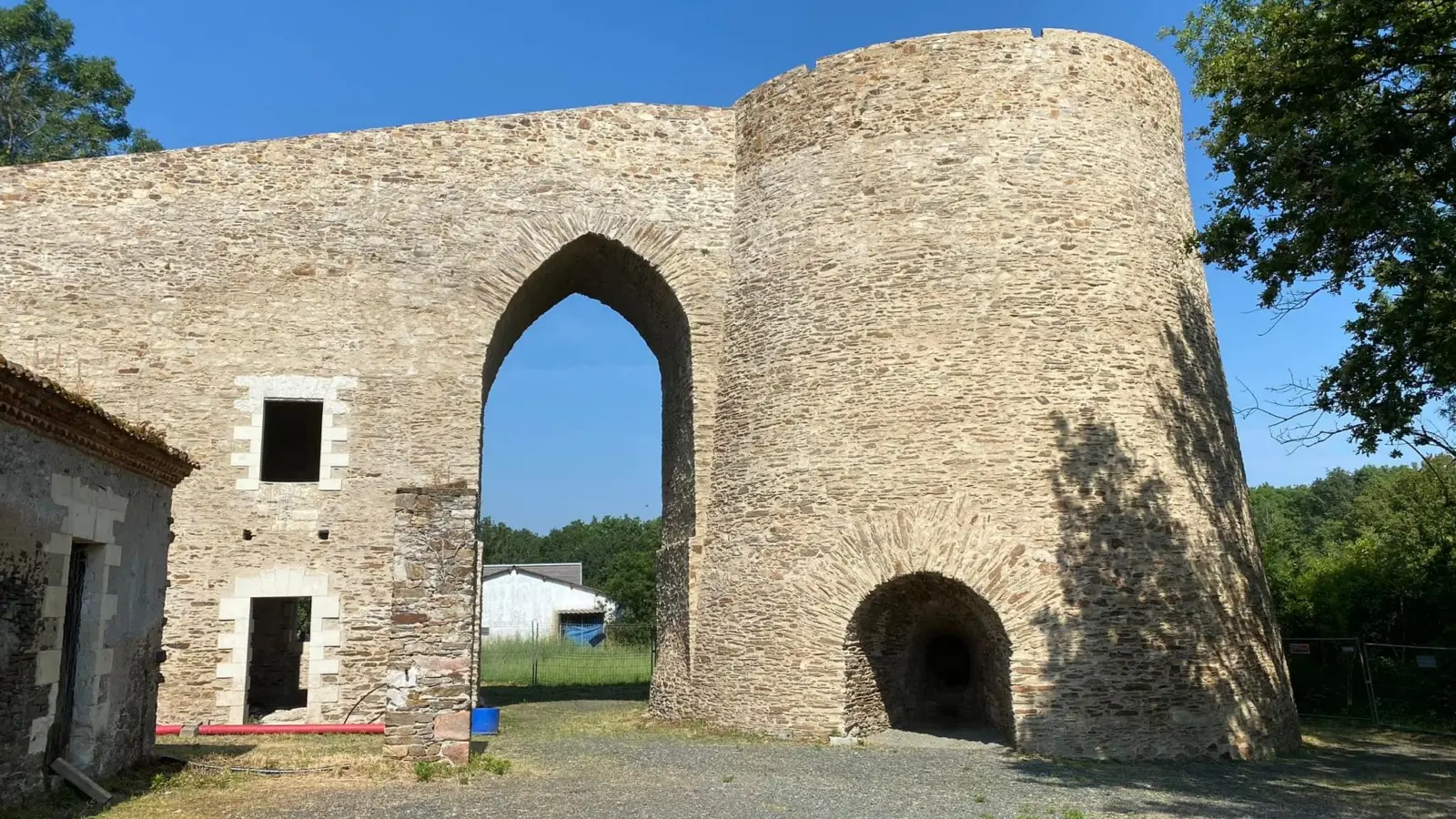
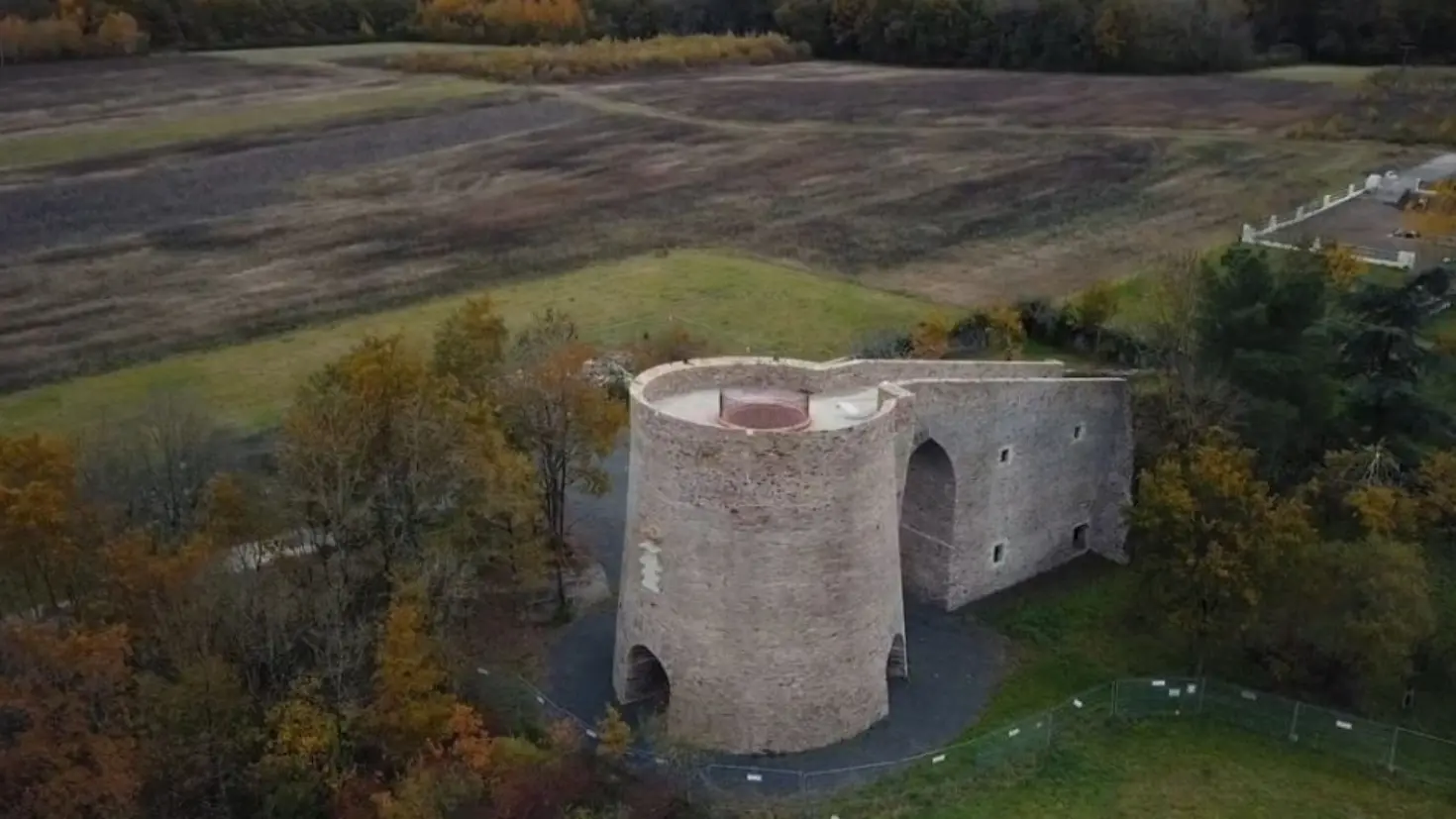
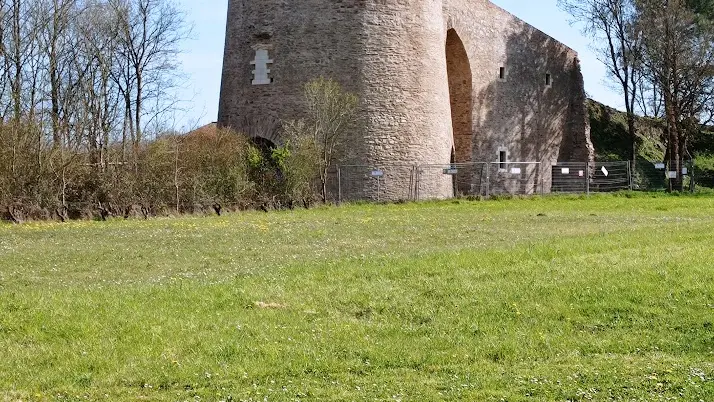
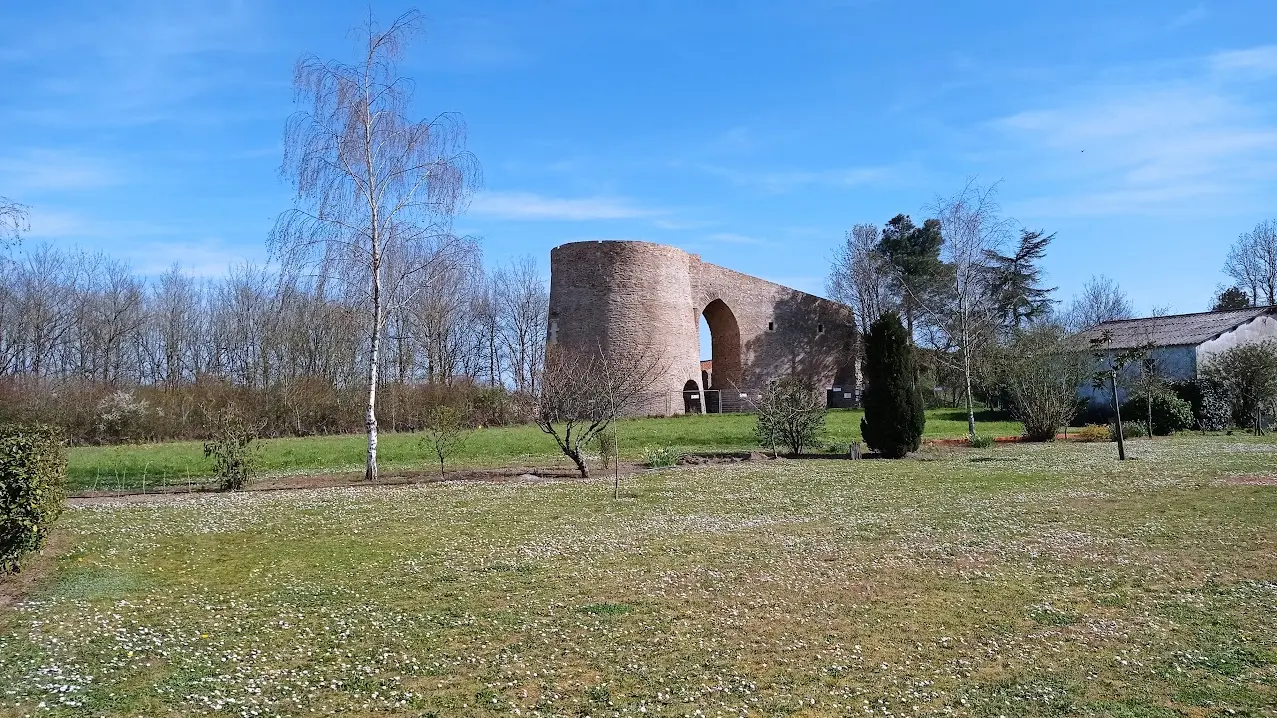
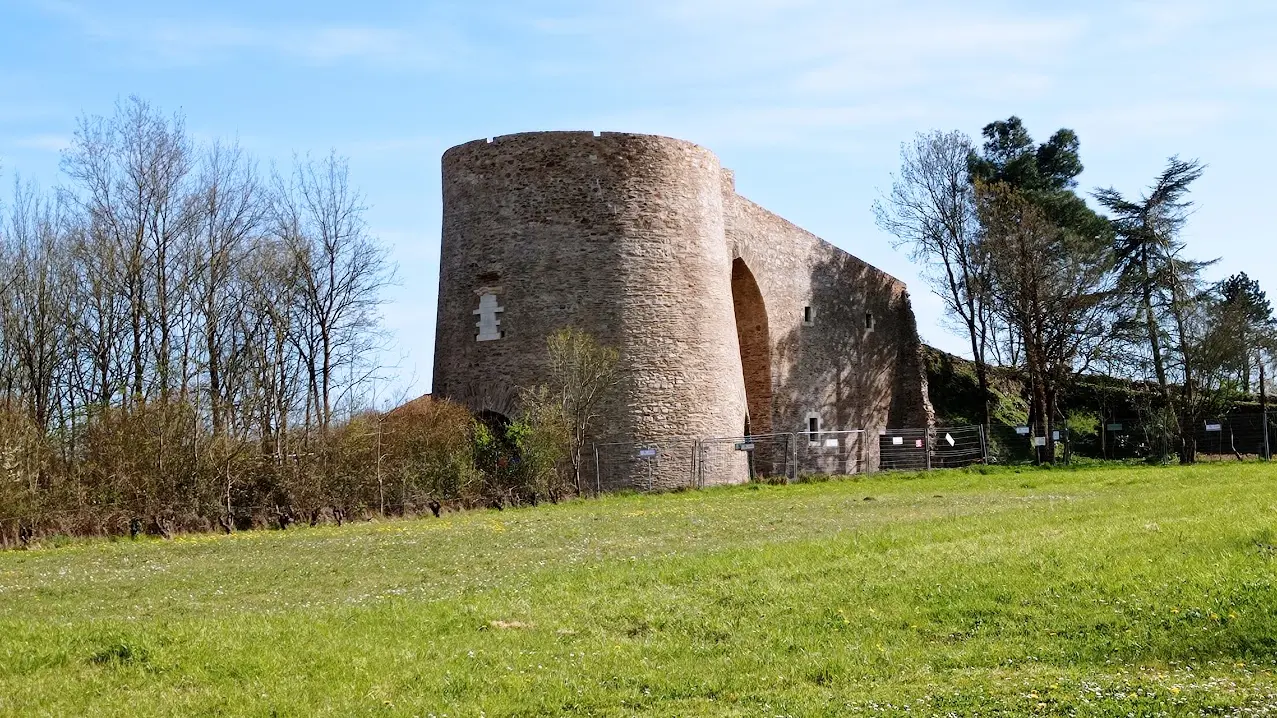
A remarkable witness to the industrial history of the Vignoble Nantais region, the Montru lime kiln invites you to take a trip back in time.
Built around 1825 on the initiative of Nantes businessman Jacques Vidie, and then operated from 1833 by merchant Victor Duhoux, the site met a growing need to improve farmland. At the time, agricultural engineers were discovering the benefits of lime in correcting soil acidity. In vineyards, it helped to soften wines such as Muscadet and Gros Plant. In the 19th century, this breakthrough led to a major boom in liming and the industrialisation of wine production.
At the heart of this activity, the port of Montru became a lively trading centre. Limestone arrived from Liré and coal from Mouzeil by water, via the Loire and the Goulaine marshes. Commercial activity flourished, attracting farmers and merchants from all over the region.
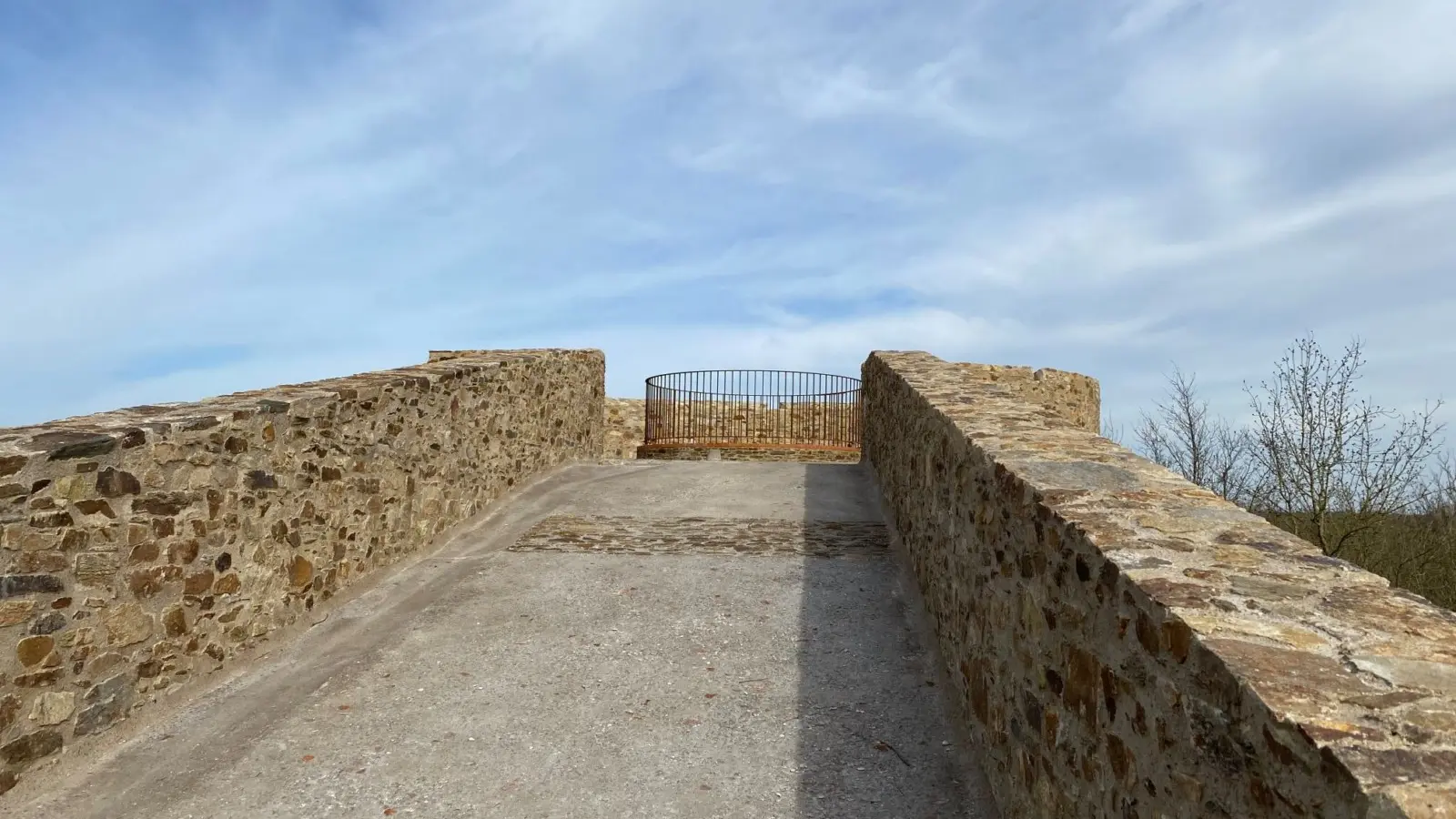
The kiln's impressive operation was based on continuous combustion: the materials were brought to the top by the access ramp, then stacked in alternating layers of limestone and coal. The firing process, at almost 1,000°C, lasts several days before the lime is produced.
But this golden age was short-lived. In the 1850s, the regulation of the waters of the Goulaine and the construction of the Divatte dyke put an end to commercial shipping. Deprived of its supplies, the kiln ceased operations around 1860.
Today, the Montru lime kiln remains a unique heritage site, one of the best preserved in the region, recently restored and enhanced. On site, take advantage of a natural area where you can relax, with a picnic area and starting point for walks, to extend your discovery of heritage and landscapes.